Embroidery, print, knit structure, pleating, colour and construction. Bring the technique your design needs; we review its material, sample and production requirements with you.
01 / CRAFT STUDY
White-ink DTG printing
Direct-to-garment artwork with a white underbase for colour on dark garments. We review the fabric, pretreatment, artwork, curing and wash-test sample. The process diagram shows the sequence from preparation to the finished print.
02 / CRAFT STUDY
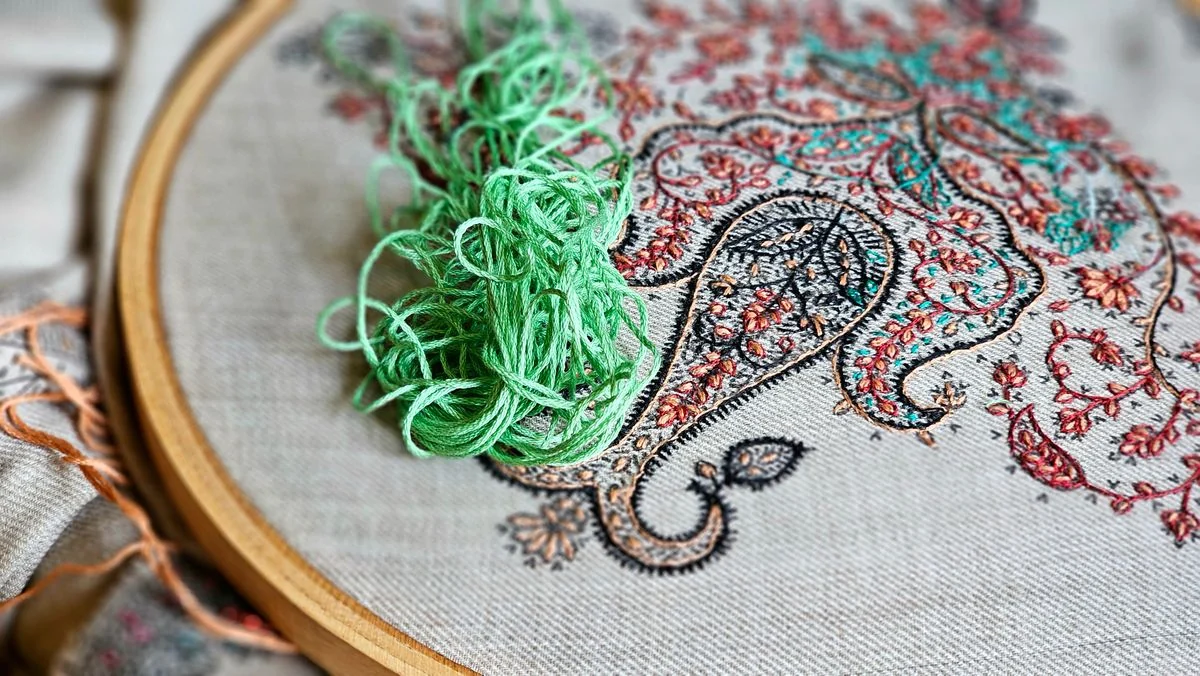
Complex, multi-layer embroidery
Layered fills, fine outlines, colour transitions and carefully sequenced stitching. Develop the artwork, thread, density and backing together to preserve the motif and control the feel of the finished garment.
03 / CRAFT STUDY
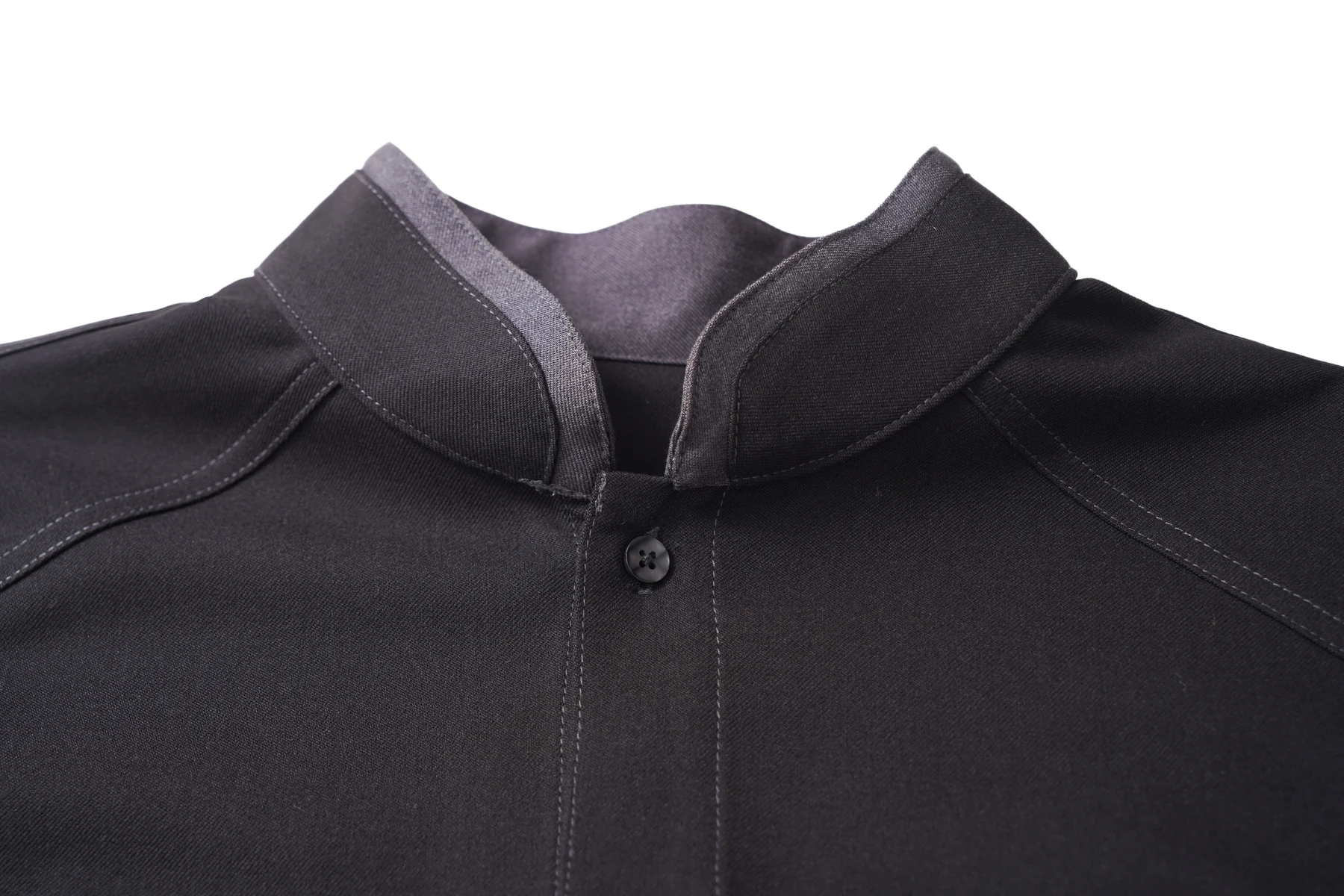
Precision shirt construction
Shaped yokes, collar-to-body joins, contrast panels and clean seam finishes. Plan panel alignment, stripe or check matching and the inside finish around the chosen design; confirm the result with the sample.
04 / CRAFT STUDY
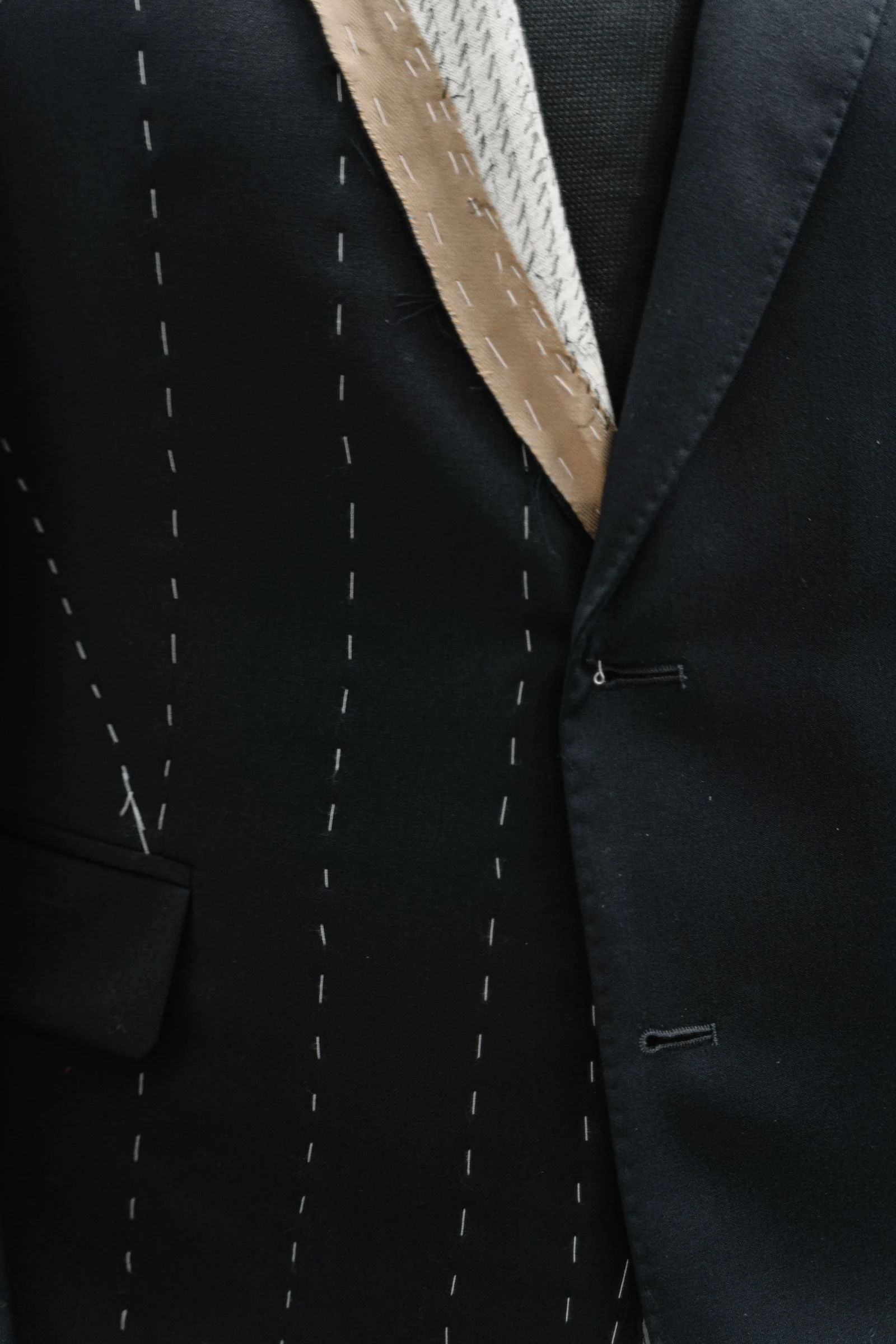
Tailored suit construction
Lapel transitions, shaped front panels, darts and carefully controlled joins create the jacket’s line. Review basting, interlining, lining and seam treatment against the intended fit and material.
05 / CRAFT STUDY
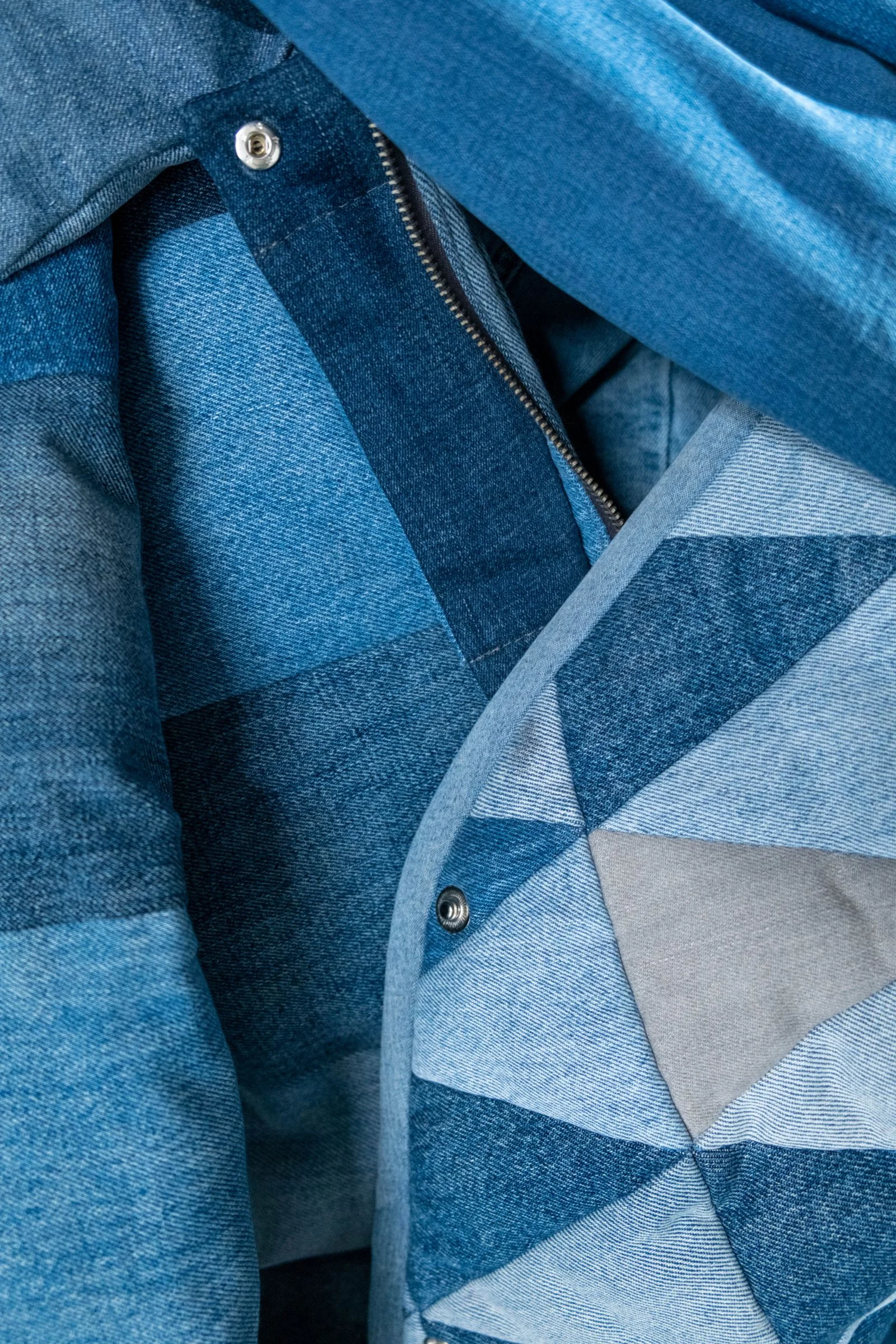
Panel joining & contrast details
Angular inserts, contrasting materials and precise seam intersections bring structure to a garment. The denim panel detail shows how cut lines, topstitching and fastenings can work together.
06 / CRAFT STUDY
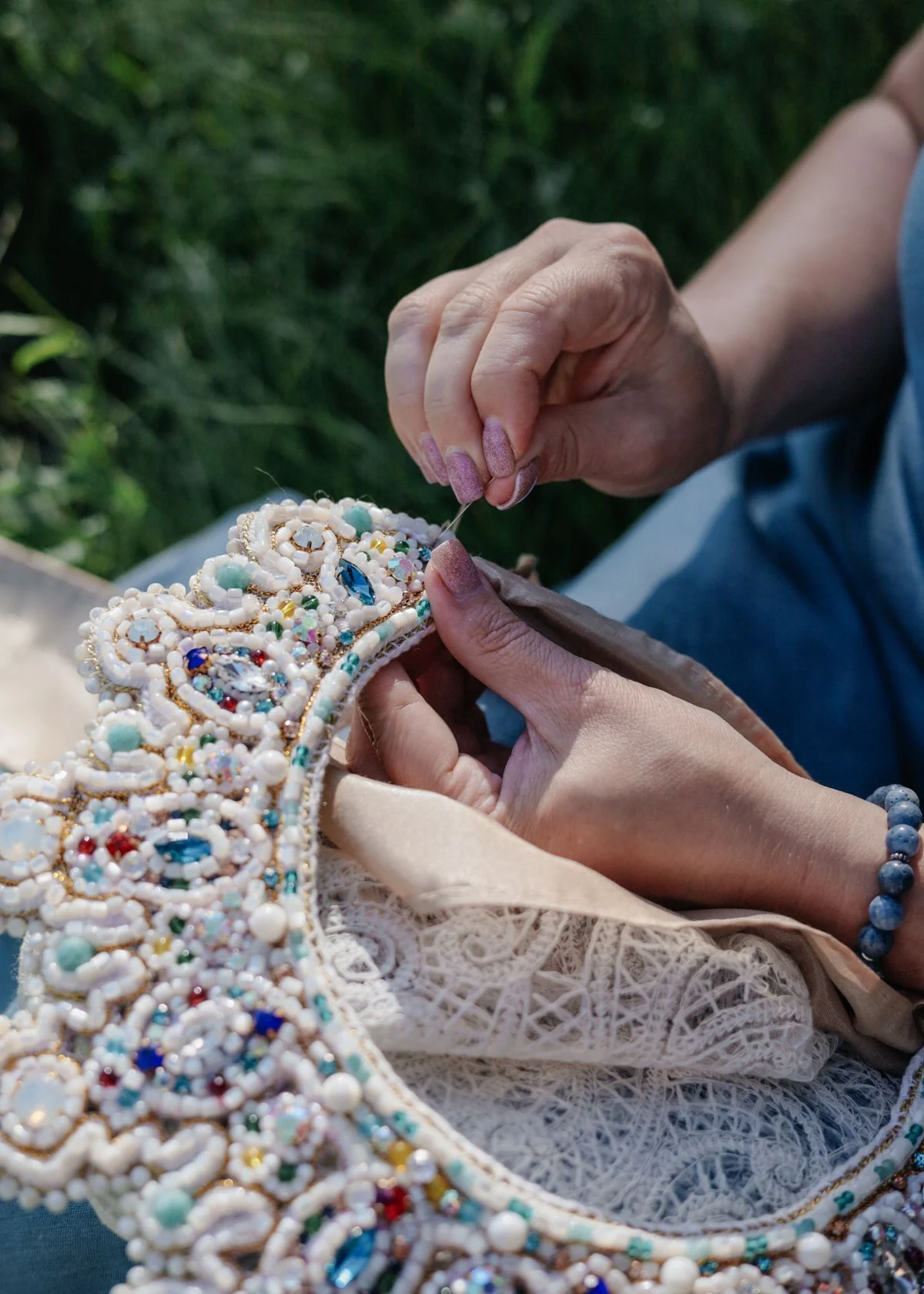
Dimensional embroidery & beadwork
Layered decorative elements, beads and hand-finished placements create relief and texture. Review the arrangement, attachment method, weight and fabric support in a physical sample.
07 / CRAFT STUDY
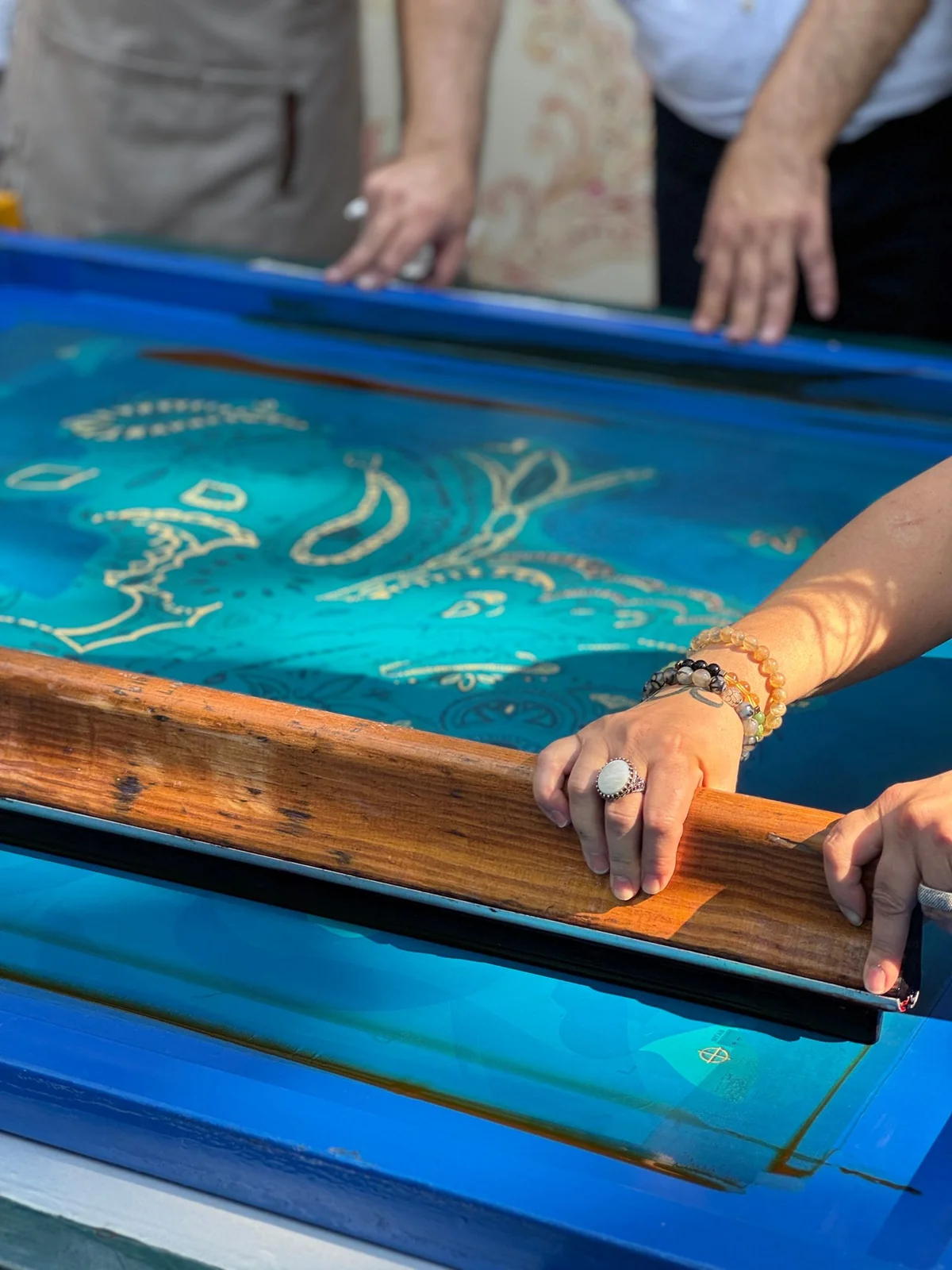
Screen printing
Plan the artwork scale, colour separation and print position. The sample confirms the surface effect on the selected fabric.
08 / CRAFT STUDY
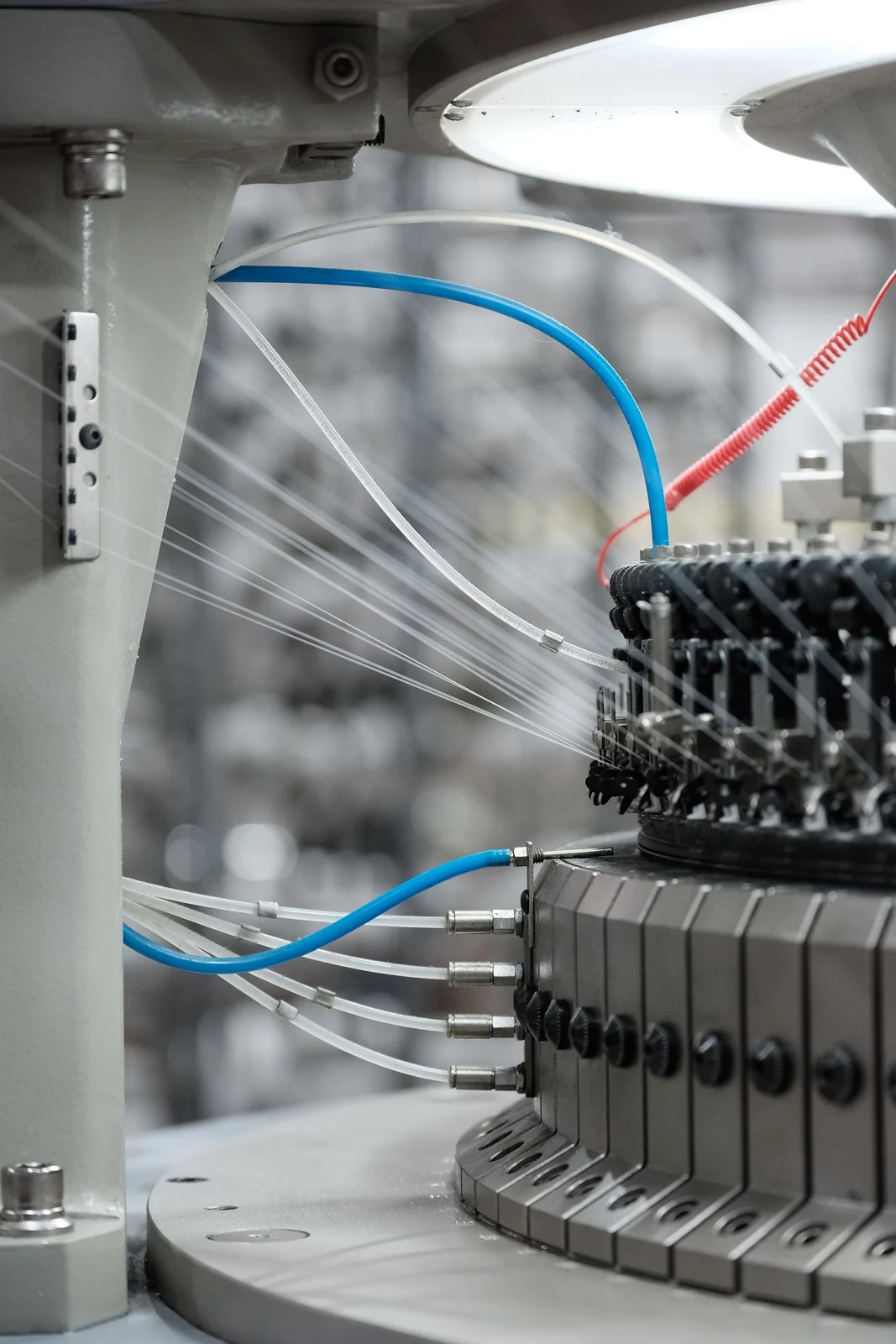
Knit development
Coordinate yarn, stitch structure, texture and garment proportions. Confirm the hand-feel and shape through sampling.
09 / CRAFT STUDY
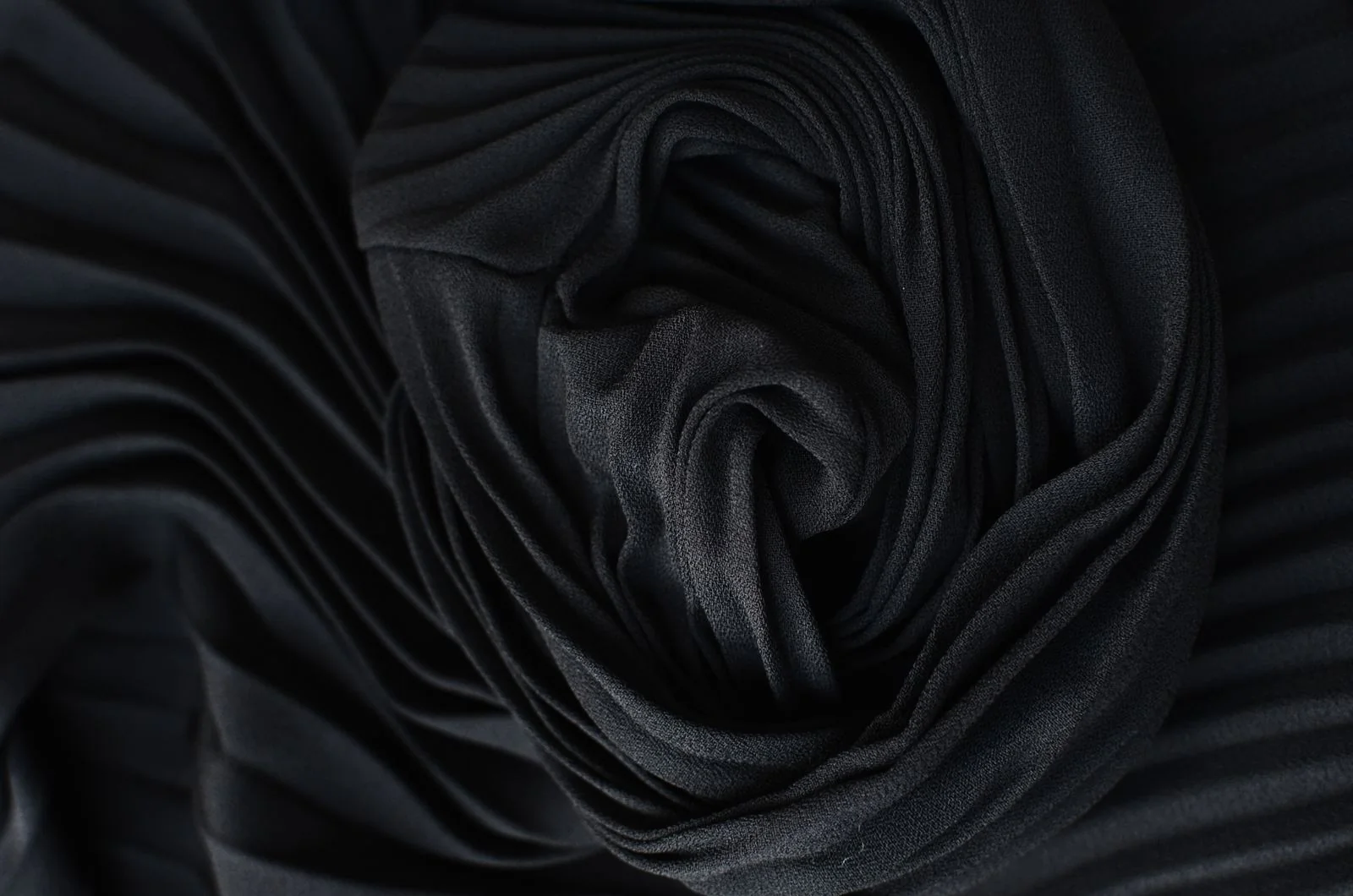
Pleating & texture
Explore fold width, direction and volume. Material choice, pleat retention and care requirements are reviewed for the design.
10 / CRAFT STUDY
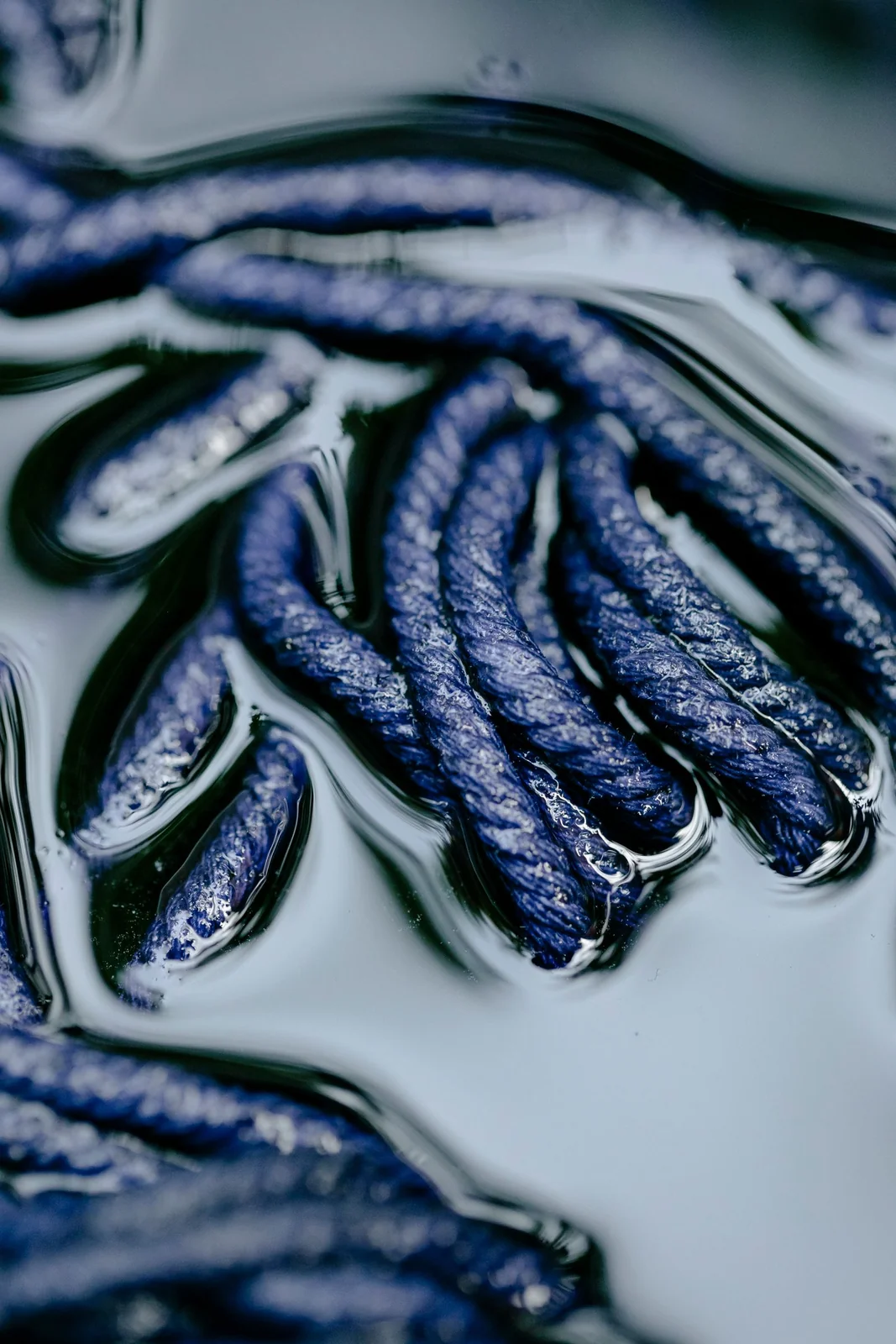
Dyeing & colour effects
Develop the colour direction and sample effect. Review the chosen fabric, shade variation and dimensional change before confirming production.
11 / CRAFT STUDY
Pattern development
Translate sketches, tech packs or a reference sample into measurements, balance, seam allowances and clear assembly points.
12 / CRAFT STUDY
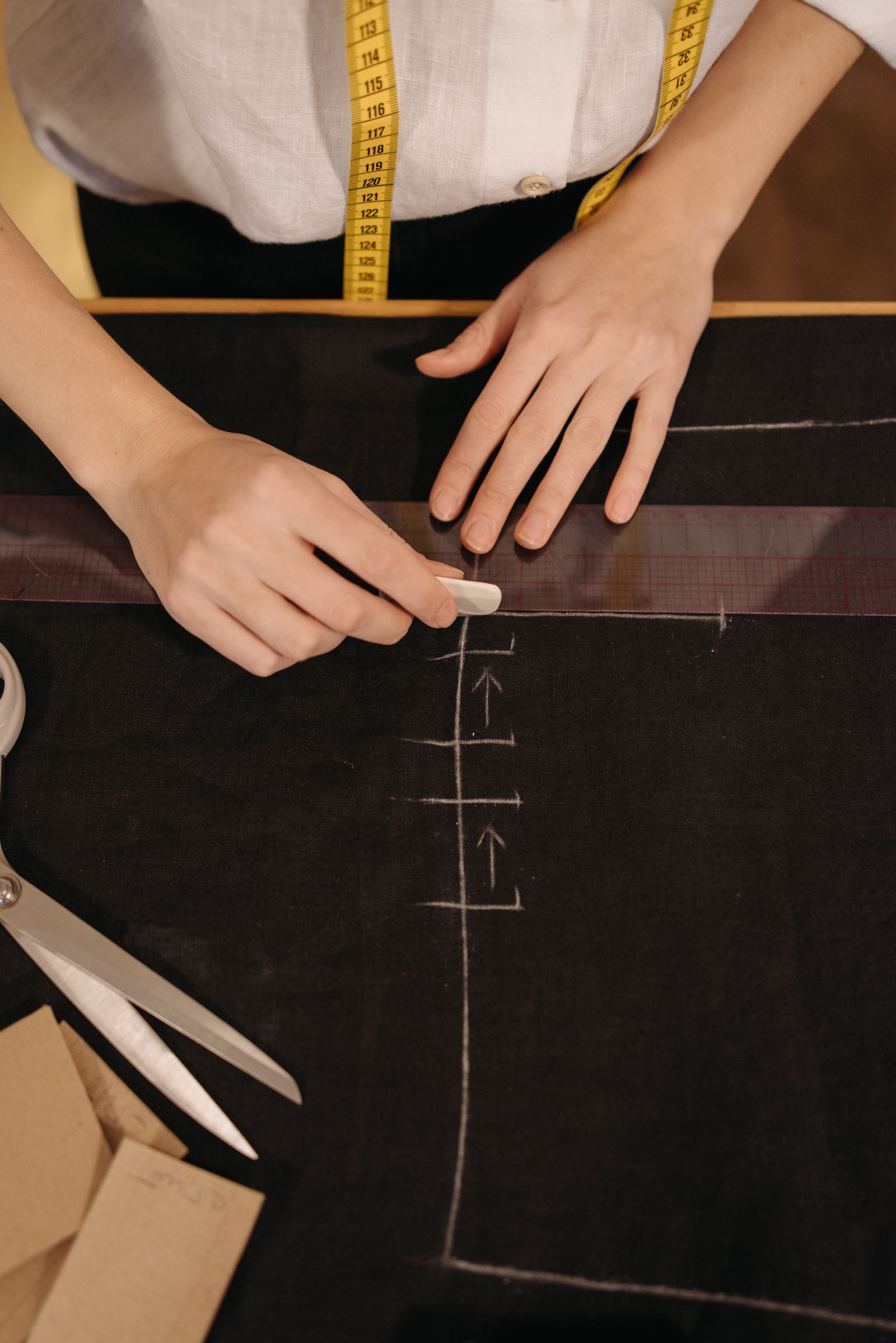
Fabric cutting
Plan grain direction, panel placement and matching points. Cutting layout also informs how many garments the fabric roll can yield.
13 / CRAFT STUDY
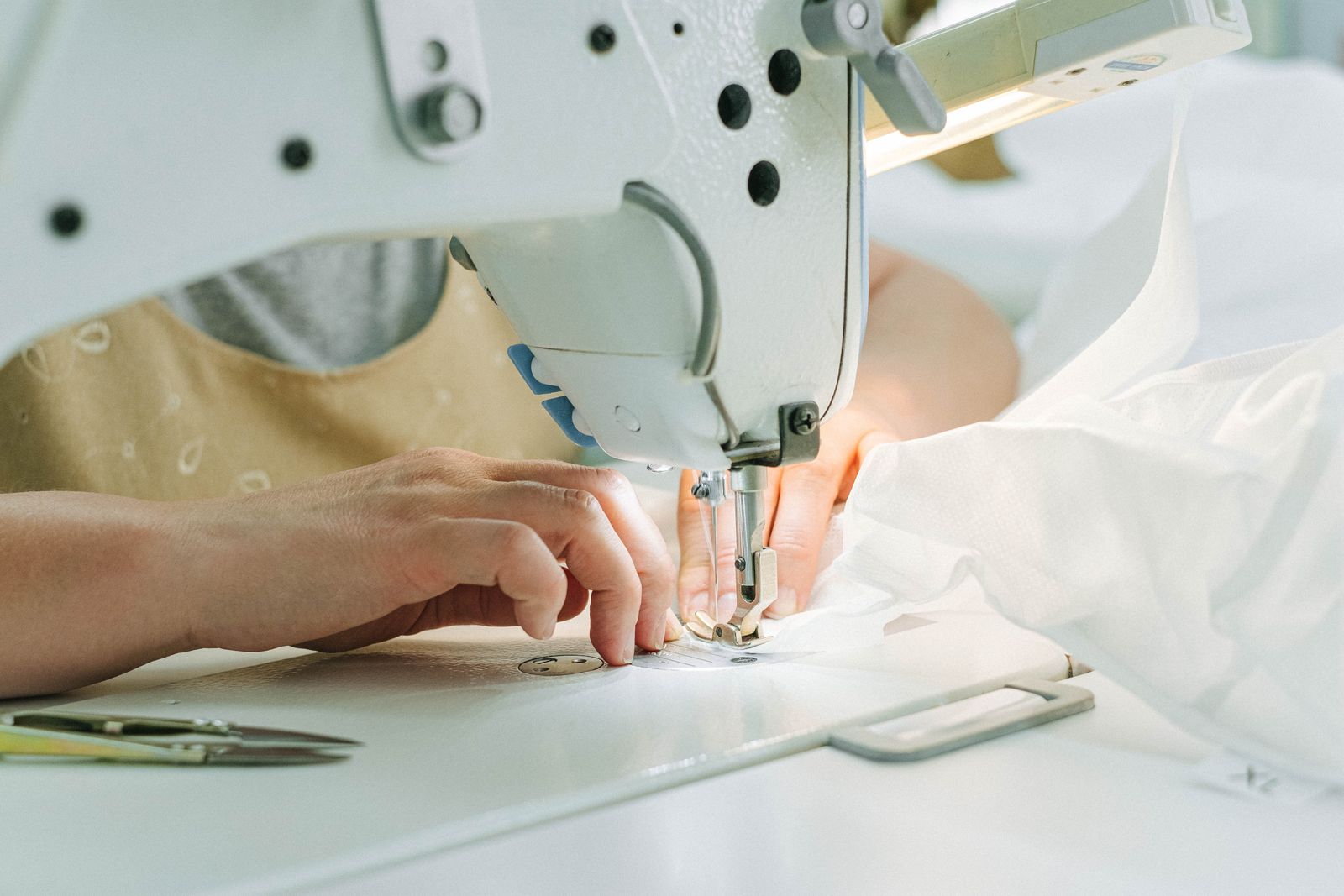
Sewing & construction
Review seam choice, topstitching, thread tension, interlining and lining against the silhouette and material.
14 / CRAFT STUDY
Pressing & finishing
Match heat, pressure and handling to the cloth, then check appearance, measurements and packing requirements.
More techniques for your brief.
Share the finish your design needs. We review artwork, fabric suitability and sample results before confirming production requirements.
Digital & transfer printing
Appliqué & patches
Garment washing & distressing
Quilting & padded construction
Laser cutting
Bonding & seam sealing
Beading & decorative trims
Lace & cutwork
Heat-set texture & embossing
ORDERING GUIDE
Indicative production lead times
These are approximate production timings, not guaranteed delivery dates. Style complexity and project requirements can change the schedule. Sampling, production and shipping are separate; we confirm the final timeline for your order.
Minimum order
One roll of fabric per style, per colour.
The number of garments is calculated from the usable fabric in the roll and the consumption of the chosen style. There is no fixed piece minimum: fabric width, roll length, sizes and cutting layout affect the yield. We confirm the quantity for your project.